Ear Care
It is estimated that 1 in 5 dogs suffer from ear problems.
Overview
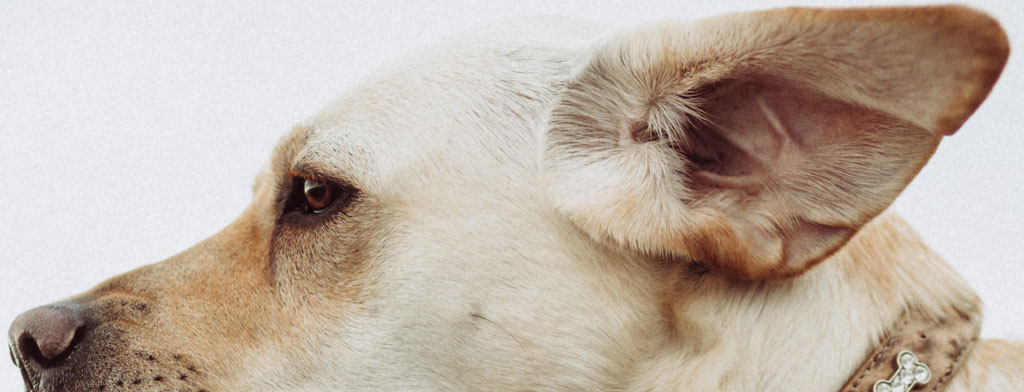
Dogs rely heavily on their ears to navigate their environment. They have a greater hearing range than humans, capable of detecting sounds as low as 16 Hz and as high as 100,000 Hz (humans hear between 20 Hz and 20,000 Hz). Their ears possess a high degree of flexibility, allowing them to funnel sounds and easily locate the direction of the noise. Dogs can hear sounds much sooner and from greater distances than humans. Dogs with erect ears typically have better hearing than those with floppy ears.
Unfortunately, it is estimated that 1 in 5 dogs suffer from ear problems, making it one of the most common reasons for veterinary visits. Without early intervention, ear inflammation can lead to a narrowing of the ear canal, increased canal temperature, moisture and exudate, and ultimately irreversible damage. For this reason, effective treatment and long-term management are essential for a successful resolution.
Signs
Common signs of ear disease include:
- Head shaking
- Ear scratching
- Odour
- Redness
- Ear discharge
- Thickening of the ear canal
Risk factors for ear disease include:
- Narrow ear canal
- High hair density
- Floppy ears
- Swimming
- Excessive ear cleaning
- Environmental conditions such as humidity
- Ear tumours
These risk factors can lead to an overgrowth of bacteria and yeast, resulting in infection.
Causes
Common causes of ear disease include:
- Allergies
- Parasites, e.g., mites in young puppies
- Foreign bodies
- Skin diseases
- Endocrine diseases such as thyroid disease
- Genetics - poor ear conformation
- Ear masses
- Chronic dampness from regular swimming
Management
Treatment of ear disease involves:
- Cleaning of the ears
- Treatment of the infection with an antibiotic or antifungal medication
- Anti-inflammatory drugs
- Allergy testing
- Blood tests
How to Clean Your Pet's Ears
When recommending ear cleaning, there are three essential requirements:
- A cooperative pet
- A motivated pet owner
- A pet owner who is confident in performing the task
Cleaning the ears is an important step in preventing wax build-up and ear problems. However, it is only recommended on a regular basis for pets with ongoing ear issues.
Step 1: Acclimate Your Dog to Ear Handling
-
Start at an early age.
-
Gently stroke and hold each ear one at a time.
-
Repeat this for several days in a row.
-
Follow with a treat reward and plenty of praise.
You must be comfortable touching and rubbing your dog's ear, lifting the ear flap, and gently massaging the ear before proceeding to the next step. Use treats to create a positive association with ear handling.
Step 2: Introduce the Cotton Wool & Cleaner
-
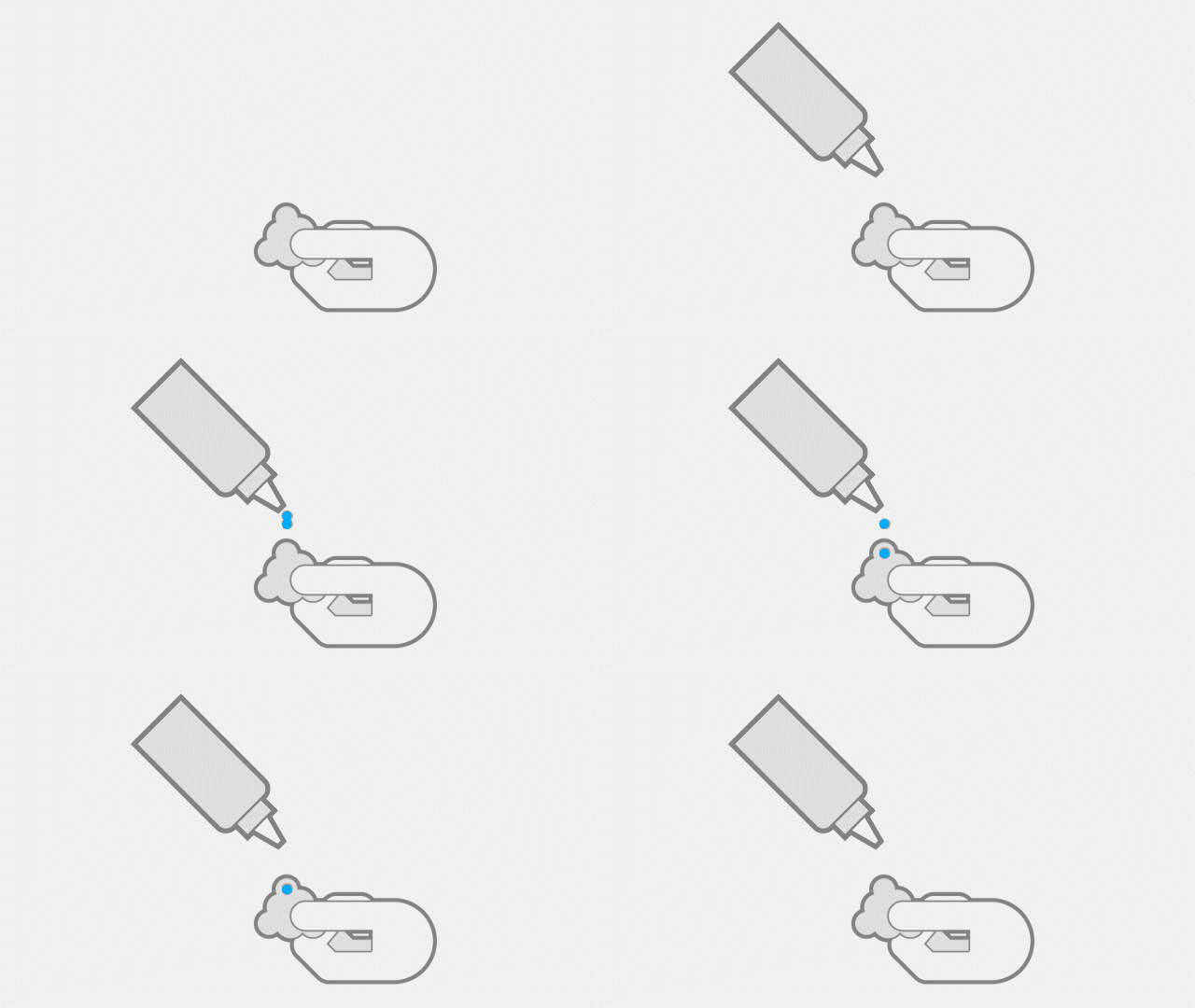
Show your pet the ear cleaner bottle from a distance.
-
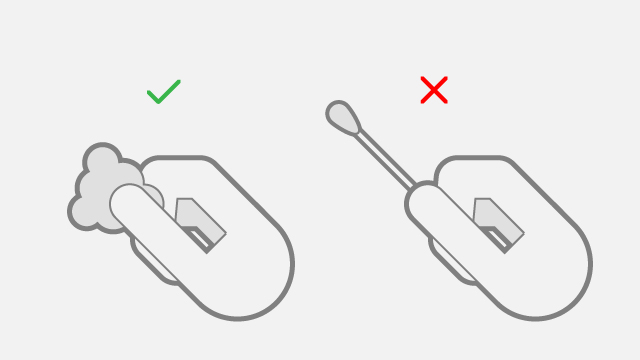
Wrap soft gauze around your finger.
-
Place a small amount of cleaner on the finger and massage the entrance of the ear canal.
-
Repeat this for several days.
-
Follow it with a reward and praise.
-
As your pet becomes comfortable, extend your finger further down the ear canal.
Step 3: Clean One Ear
-
Perform this step outside or in an area that is easy to clean.
-
Place a small amount of cleaner directly into the ear canal and onto the cotton.
Step 4: Gently Massage

-
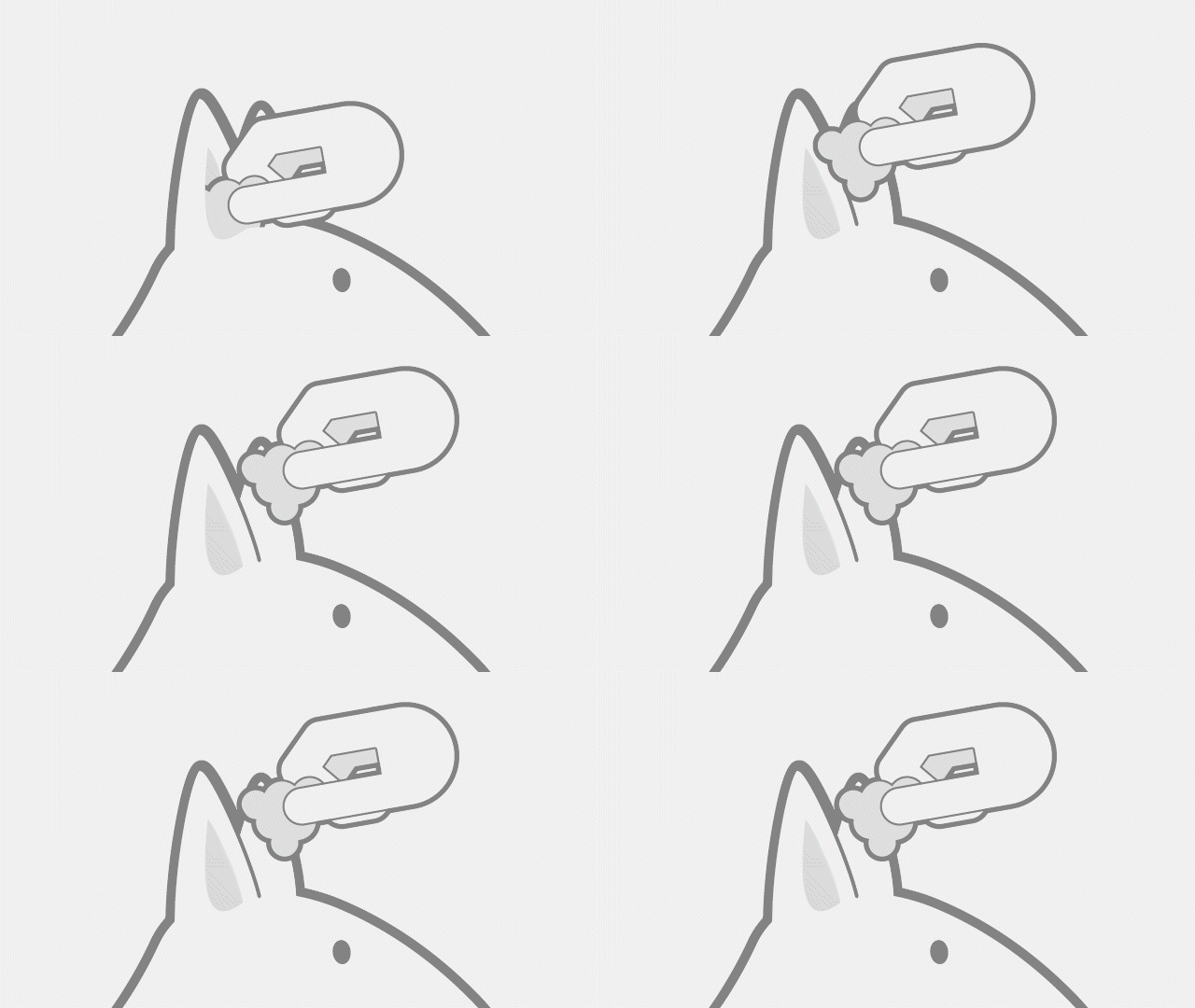
Gently massage in an upward and outward direction; this should create a squelching noise.
-
Praise and reward your dog.
-
Repeat this step for several days, alternating ears until your dog is comfortable having both cleaned in the same session.
Step 5: Clean Ears on a Regular Basis
-
Both ears should be cleaned 2-3 times a week until they are free of debris.
-
Once clean, repeat cleaning monthly.
Never use cotton bud sticks.