
Food Poisons
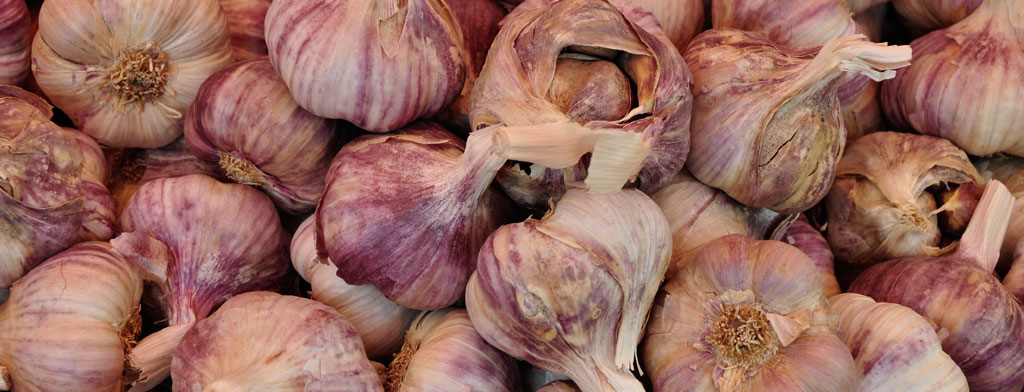
Cooking vegetables such as onions, garlic, leeks, and chives does not reduce their toxicity.
Overview
Food poisoning can occur when a toxic food product is ingested, inhaled, or absorbed. It is crucial for pet owners to be aware of the foods that can be harmful to their pets and to act quickly if ingestion occurs.
Causes
There are numerous food products that are poisonous to our pets. If your pet gains access to any of the following items, seek veterinary attention immediately.
Common food poisons include:
- Chocolate
- Grapes
- Raisins
- Onions
- Garlic
- Alcohol
- Caffeine
- Tomato leaves or stems
- Mushrooms
- Macadamia nuts
- Xylitol (sugar substitute)
Signs
General signs of poisoning may include:
- Excessive salivation
- Twitching or tremors
- Agitation
- Panting
- Seizures
- Vomiting
- Skin burns
- Weakness
- Loss of balance
Specific examples of poisoning include:
| Onions, garlic, leeks, and chives |
These vegetables belong to the same family and can cause anaemia in cats and dogs. Cooking them does not reduce their toxicity. |
| Raw potato | Can lead to gastrointestinal upset, including drooling, vomiting, and diarrhoea. |
| Wild mushrooms | These vary in toxicity levels but can cause vomiting, liver failure, and even death. |
| Watermelon seeds, apple seeds, and stems | These contain cyanide and can cause dilated pupils, panting, respiratory issues, and shock. |
| Rhubarb leaves | These are toxic and can lead to kidney failure and tremors. |
Management
If you suspect your pet has ingested a toxic food item, contact your veterinarian or an emergency veterinary clinic immediately. Do not induce vomiting unless instructed by a veterinary professional, as this may cause further harm.
Complications
Complications from food poisoning can vary depending on the toxin ingested. Potential complications include organ failure, neurological issues, and in severe cases, death. Early intervention is critical to improving outcomes.
Home Care
While waiting for veterinary assistance, monitor your pet closely for any changes in behaviour or condition. Keep your pet calm and comfortable. If instructed by your veterinarian, you may be advised to administer activated charcoal to limit toxin absorption.
Prognosis
The prognosis for pets that have ingested toxic foods varies widely based on the substance consumed and the promptness of treatment. For example, chocolate poisoning can be serious, but with immediate veterinary care, many pets recover well. Always consult your veterinarian for specific prognosis statistics based on the toxin involved.
When to See the Vet
Seek veterinary attention immediately if your pet shows any signs of poisoning, including:
- Increased salivation
- Tremors or seizures
- Difficulty breathing
- Collapse
- Vomiting or diarrhoea
- Unusual behaviour or lethargy
It is always better to err on the side of caution when it comes to your pet's health.
Tips
The above list is not exhaustive. If you are unsure whether a food item is safe for your pet, please consult your veterinarian. Care should be taken when feeding pets from our kitchen, as certain food items can be poisonous. When giving treats, always do so in moderation and avoid high-fat and high-sugar foods.
If your pet shows signs of poisoning, such as excessive salivation, tremors, difficulty breathing, or collapse, seek veterinary attention immediately.