

Dental prophylaxis - Discharge instructions
Overview
Most dogs and cats have some level of dental disease and are susceptible to bad breath, infection, pain, and tooth loss. When left untreated, infections can spread to the kidneys, liver, lungs, and heart and lead to serious disease.
The procedure
Your pet will undergo a general anaesthetic to have its teeth cleaned and polished with an ultrasonic scaler. We will also clean under the gum line. A dental prophylaxis or prophy will be performed to treat or prevent dental disease.
The veterinary dental procedure may include:
- Full oral examination, diagnosis, and staging of any dental disease
- Radiographs (depending on outcomes of assessment)
- Teeth scaling to remove tartar and plaque
- Teeth polishing to assist in the prevention of future tartar build up
- Gum irrigation to remove debris and remaining polishing paste
- Assessment of abnormal gum pockets
- Tooth and gum procedures depending on findings
- Administration of pain relief and antibiotics, where required
The importance of dental x-rays
Dental x-rays are critical for diagnosing disease under the gumline. 50% of the tooth anatomy cannot be seen, so without these x-rays, the disease can be left undiagnosed. If left untreated, many conditions can continue to cause pain and discomfort for the pet.
In most cases, dental radiography is recommended at every dental procedure, both before and after the procedure.
Common pathology that may not be visualized can be diagnosed with x-rays.
These conditions include:
- Extra teeth e.g. retained baby teeth
- Missing teeth
- Fractured teeth
- Resorptive lesions (common in cats)
- Crowding and rotation of teeth
- Periodontal disease
- Jaw problems e.g. malocclusions, jaw fractures, cysts
- Oral growths
- Infection e.g. abscess
Radiographs can help classify periodontital disease (gum disease):
| Mild |
if < 25% of alveolar bone has been lost |
| Moderate | if 25-50% of alveolar bone has been lost |
| Severe | if >50% of alveolar bone has been lost |
This classification is essential in determining the best treatment plan and prognosis. Depending on the level of periodontital disease, the treatment may include extractions.
Extractions
Your pet may have teeth extracted to remove loose, damaged or infected teeth. If your pet has a tooth or teeth extracted, there may be absorbable sutures in the mouth. These are put in place to reduce bleeding and close any gaps. These sutures will not require removal as they will dissolve over the next few weeks.
What to expect the night of the procedure
- Your pet will experience some grogginess for 1-2 hours following general anesthesia.
- After an anaesthetic, animals may be unsteady on their feet, and may shake or tremble. Keep them warm, and safely confined for 24 hours after the procedure.
- Hair may have been shaved from a foreleg for blood collection and/or administration of intraveneous anaesthetic.
- It is normal for animals to have a cough for 1 or 2 days. This is due to a tube that was passed into their airway to deliver oxygen and prevent fluid entering their lungs.
- Your pet may also experience some tooth and gum sensitivity for the next 24-48hours, and be tender to the touch around the mouth and head.
- It is not uncommon to see a small amount of blood or extra saliva coming from your pet’s mouth over the next 24 hours.
- Your pet may lick its lips or paw at mouth.
- These signs should subside after a couple of days.
Feeding guidelines following the procedure
- Provide fresh water. Only offer a small amount of soft food on the night of the procedure as your pet may be groggy and nauseous.
- If your pet is back to normal the next morning and has not vomited its meal from the night before, start feeding their normal amount of food and water.
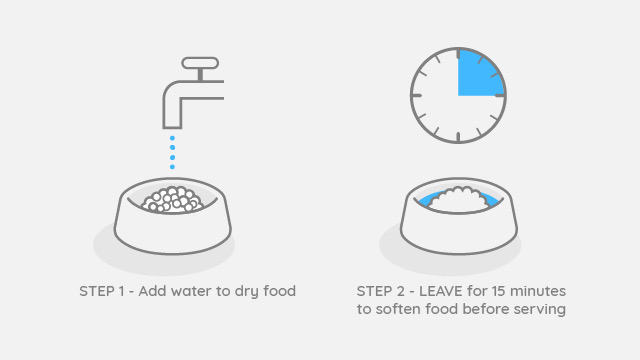
- Feed soft food over the next 3-4 days. If your pet’s normal meal is dry food, simply moisten it with warm water and allow soaking for 15 minutes before offering it to your pet.
- Owners often worry that their pets will have trouble eating if multiple teeth have been
extracted but the gums heal well and form a hard surface that functions well for chewing food.
When to call the veterinarian
- If your pet stops eating for more than 24 hours
- Vomiting constantly
- Lethargic
- Lots of blood coming from the mouth
- Difficulty breathing
Medication
If your pet was prescribed medication, please administer the medication as per the directions on the label.
Preventative Care
- Your pet will require ongoing dental homecare to help protect its teeth from future dental disease. Even after a thorough dental clean under general anesthesia, plaque can start to form on tooth surfaces within 24 hours.
- Lack of home care even for just 1-3 weeks can result in gingivitis in most pets.
- Tartar forms on the teeth for many reasons :- individual mouth chemistry, genetics, infections and a lack of chewy food in the diet can all contribute.
- Some dry foods are formulated to reduce tartar development (eg Hill's T/D).
- Sometimes brushing teeth with fingerstall brushes or pet toothbrushes, pet toothpaste or the use of antibacterial gels may be helpful.
- There are also rawhide chews available especially made with oral hygiene in mind. (Oravet and Prozyme for dogs, Greenies for cats)
Your veterinary team may recommend:
- Dental chews
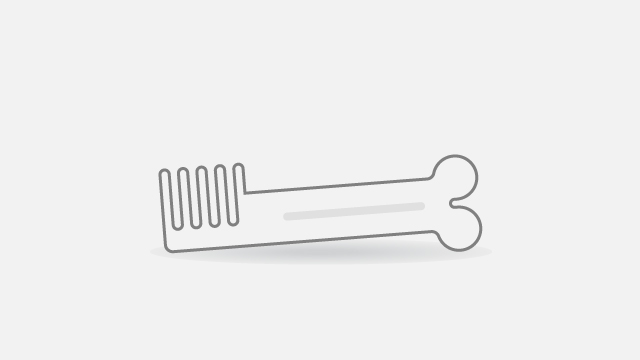
- Brushing its teeth with pet-approved toothpaste

- Dental rinses
- Veterinary therapeutic diets
- Chew toys
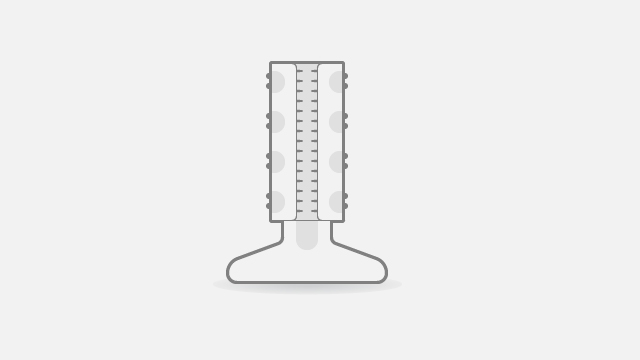
Your veterinary team will discuss these options with you.
Please note that if your pet has had some teeth extracted, do not start teeth brushing or offering dental chews/toys until the gum has healed, approximately 7 days. Your pet's gum will be checked at the follow-up consultation.